


How Microgrids Power High-Speed EV Charging in Power-Constrained Areas
Release time: 2025-12-31
As electric vehicle (EV) adoption accelerates, the demand for high-speed charging in highway service areas, remote tourist destinations, and industrial mining sites is surging. However, these locations often face limited grid capacity and aging power infrastructure. Microgrid solutions for EV charging are emerging as the ultimate technology to bridge this gap. This article explores how microgrids utilize “Solar-plus-Storage” technology to deliver efficient, stable ultra-fast charging in power-constrained environments.

The Charging Challenge in Grid-Constrained Areas
In rural areas or at the “tail end” of the power grid, installing DC Fast Charging (DCFC) stations presents two major hurdles:
- Transformer Overload: A single fast charger (typically 120kW–360kW) can easily exceed the total capacity of local transformers.
- Prohibitive Infrastructure Costs: Extending high-voltage lines or replacing large-scale transformers is time-consuming and offers a low Return on Investment (ROI).
Core Mechanisms: How Microgrids Solve the Power Gap
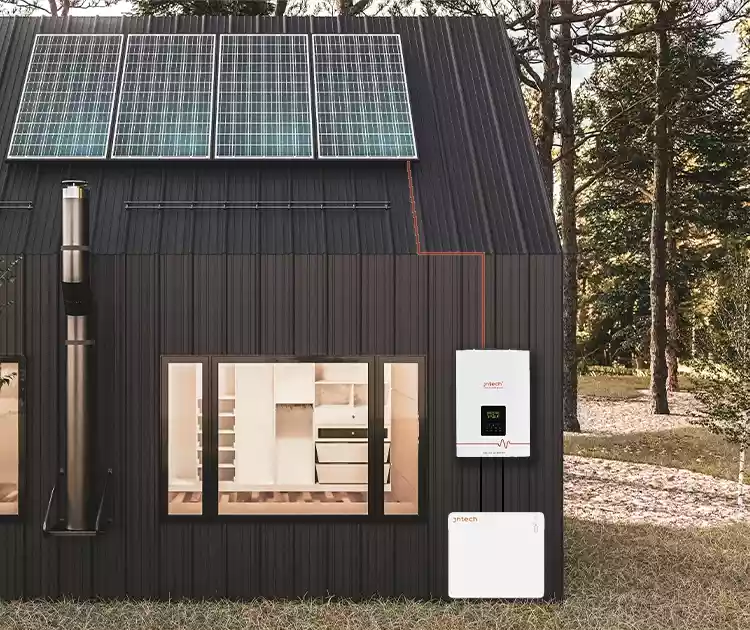
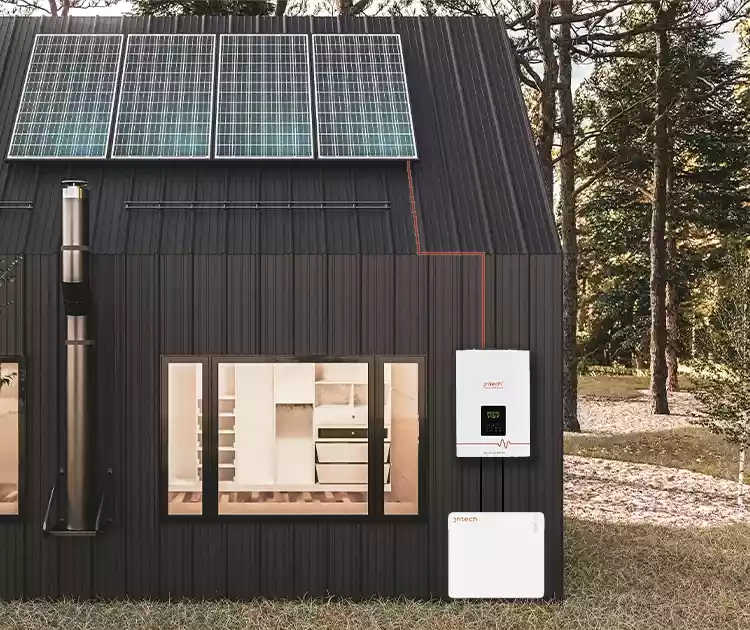
A microgrid is a localized energy system consisting of distributed energy resources (DERs), energy storage systems (ESS), and advanced energy management software (EMS). It solves charging constraints through the following methods:
1. Energy Storage: Achieving “Power Multiplication”
The Battery Energy Storage System (BESS) acts as a “buffer.” During off-peak hours, the system slowly draws power from the grid or stores solar energy. When a vehicle requires a fast charge, the battery and the grid discharge in parallel. This “power compensation” mechanism allows a grid that originally only supported 7kW slow charging to suddenly power a 120kW+ fast charger.
2.Solar-plus-Storage: Reducing Operational Costs
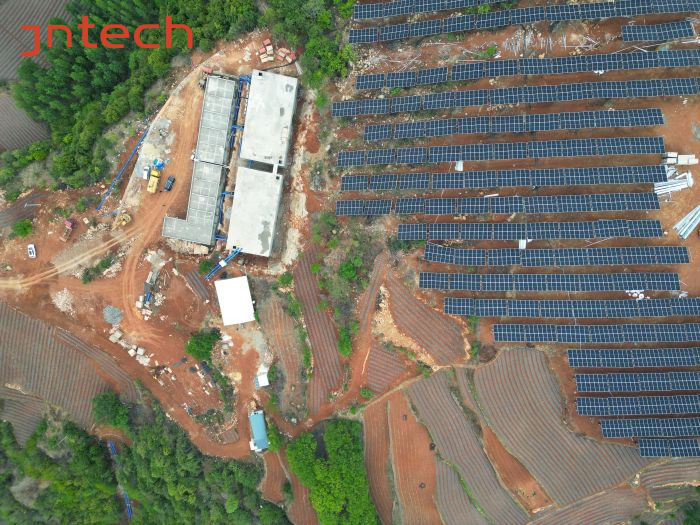
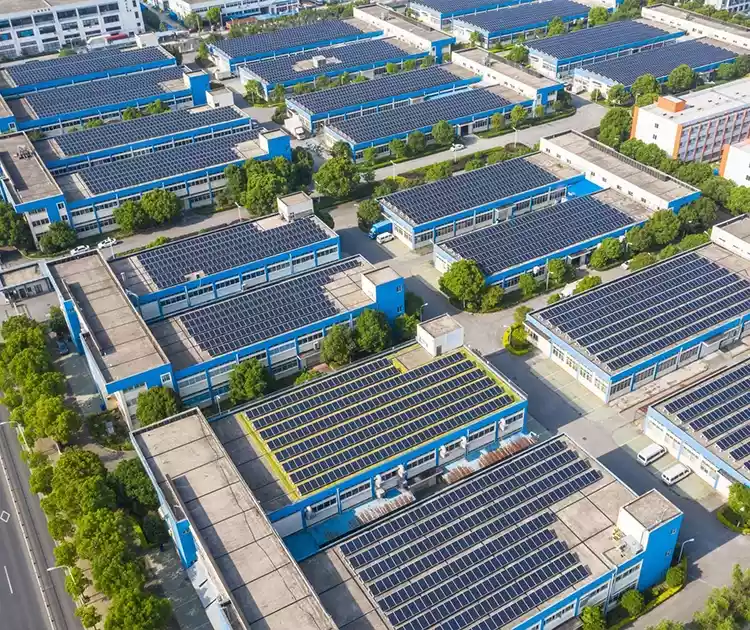
By integrating Photovoltaic (PV) systems—such as solar carports—microgrids prioritize green energy.
- Self-Consumption: Reduces the need to purchase electricity from the main grid, lowering utility bills.
- Peak Shaving: By charging the battery during off-peak hours (low rates) and discharging during peak hours (high rates), operators can significantly shorten the payback period.
3. Intelligent EMS: Ensuring System Safety
The Energy Management System (EMS) is the “brain” of the microgrid. It monitors grid load in real-time. When multiple EVs charge simultaneously, the EMS automatically adjusts the battery output to ensure the total load never exceeds the transformer’s threshold, preventing blackouts or equipment damage.
Key Advantages of Microgrids for EV Charging
For operators and investors, the microgrid model offers significant strategic value:
- Avoids Massive Grid Upgrades: Greatly shortens construction timelines and reduces capital expenditure (CAPEX) on infrastructure.
- Enhanced Reliability: In the event of a main grid failure, the microgrid enters “Island Mode,” maintaining emergency charging services independently.
- Sustainability: Maximizes the use of renewable energy, significantly reducing the carbon footprint of every mile driven.
- Modular Scalability: Systems can be designed modularly, allowing operators to add more battery capacity as charging demand grows.
Typical Application Scenarios
Highway Service Areas: Managing grid spikes during holiday travel peaks.
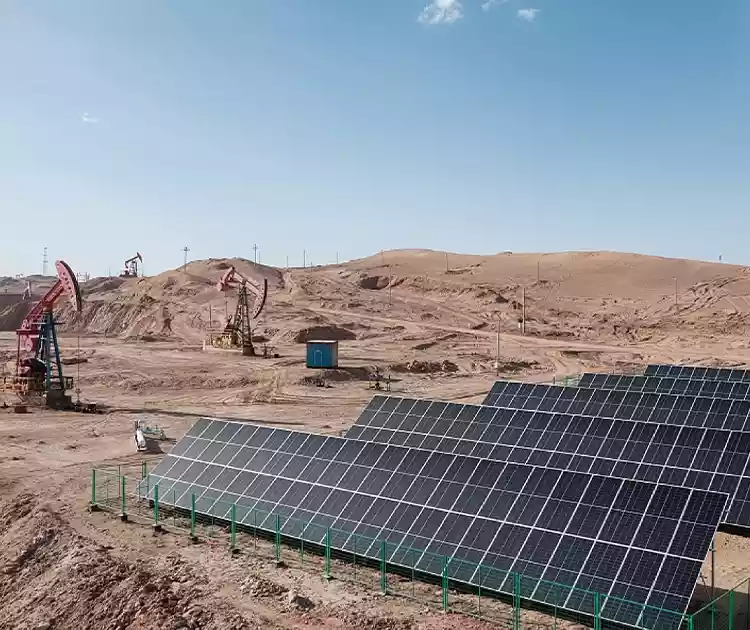
- Remote & Mining Sites: Utilizing Wind Solar Diesel Storage microgrid system to power electric heavy-duty trucks or passenger vehicles.
- Urban Brownfields: Deploying fast chargers in old neighborhoods where the existing distribution network cannot be easily upgraded.
Conclusion
Power constraints should not be an obstacle to the development of electric vehicles. By integrating energy storage and distributed energy sources, microgrids ensure that high-speed charging of electric vehicles is no longer limited by geographical location or grid conditions, enabling the construction of efficient, reliable, and economical EV charging networks even in areas with the weakest power infrastructure.
Looking for a charging station solution for a specific location? The JNTech expert team is ready to provide customized microgrid planning for you.