


Complete guide to avoiding pitfalls when choosing a home solar energy storage system: How to select the right system and avoid wasting money?
Release time: 2026-01-23
Table of Contents
Thinking of installing a solar energy storage system for your home, but feeling overwhelmed by the complex parameters and wildly varying price quotes? This article is a guide tailored just for you to help you avoid common pitfalls. We will deeply analyze 10 common traps from selection to installation, and share practical tips and checklists to help you scientifically plan your energy solution and truly achieve lower electricity bills and energy independence.
Why is it important to focus on avoiding pitfalls?
With rising electricity prices and the increasing popularity of green energy, more and more families are considering a “solar PV + energy storage” combination. However, home energy storage is not simply a matter of “buying a battery and connecting it.” The market is flooded with products of varying quality, and the skill levels of installers also vary widely. A small misstep can lead to extended payback periods of several years, or worse, create electrical fire hazards. As a professional team deeply rooted in the industry, we hope this guide will help you identify potential pitfalls before you pay a deposit.
What is Home Solar PV + Energy Storage?
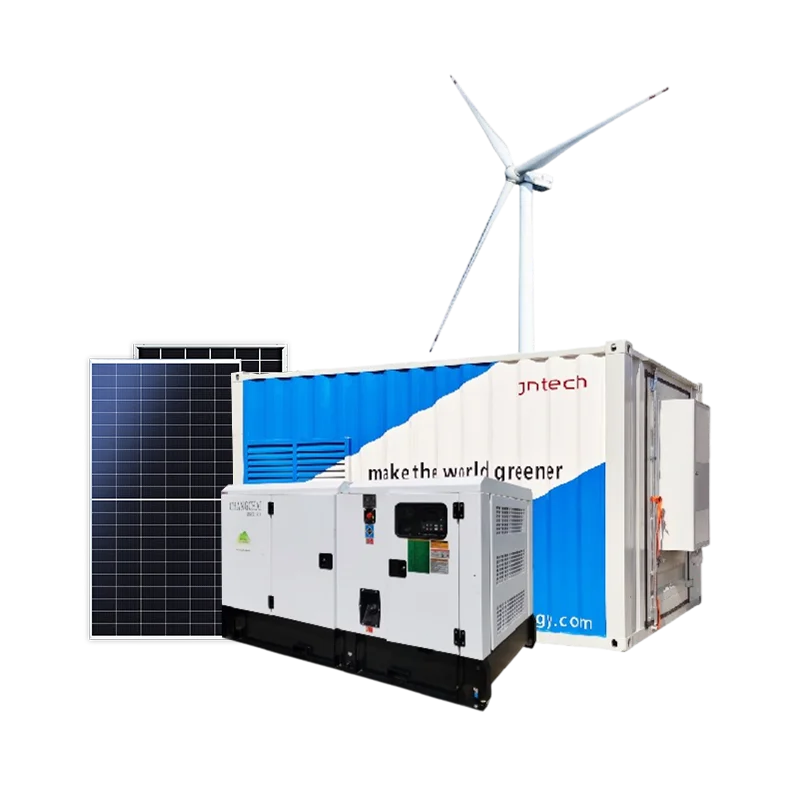
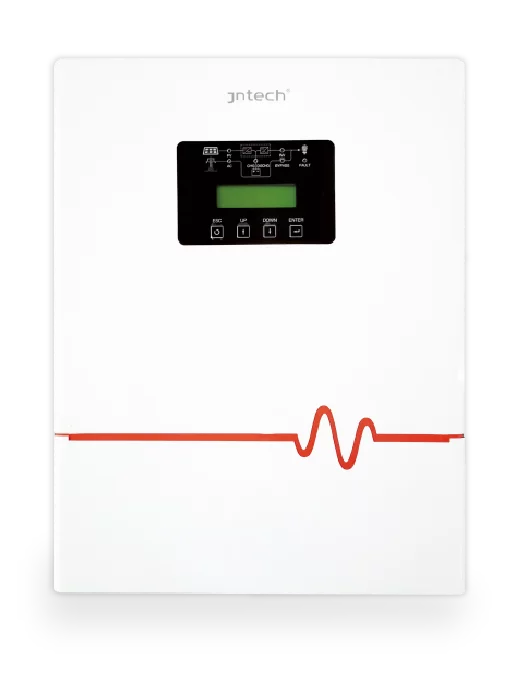
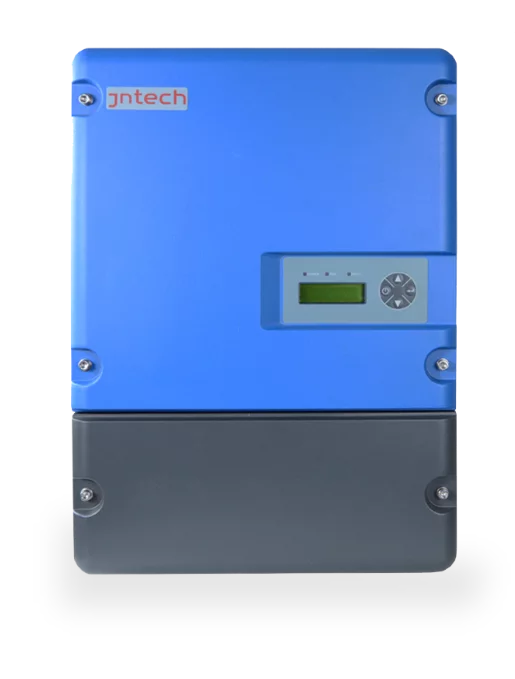
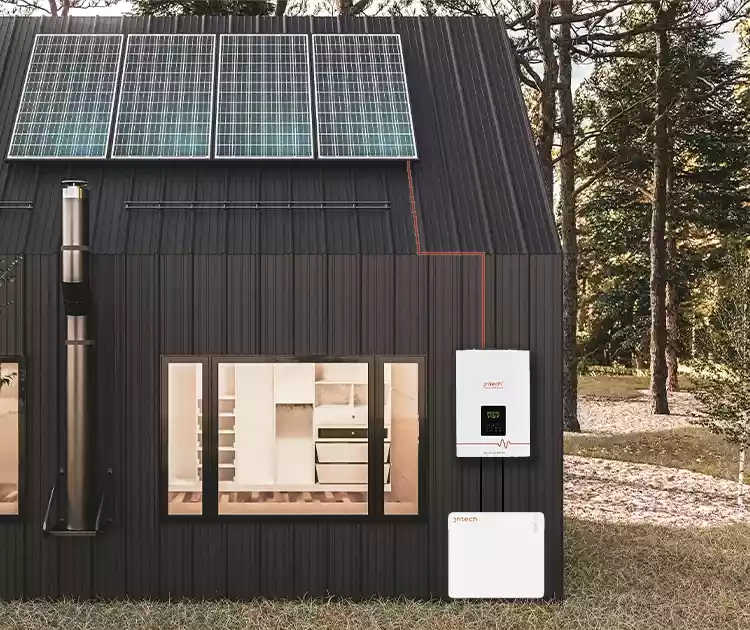
Simply put, this system consists of solar panels, an energy storage inverter, and batteries. During the day, the solar panels convert sunlight into electricity for household appliances; instead of selling excess electricity cheaply back to the grid, it is stored in batteries and used at night or during peak electricity price periods. It acts like a miniature home power plant, transforming you from an electricity “consumer” to a “prosumer.”
Why Avoid Pitfalls: Risks Go Far Beyond Just Wasting Money
If you inadvertently choose the wrong system or have it improperly installed, you may face the following risks:
- Financial losses: The system’s power generation may fall short of expectations, or batteries may wear out prematurely due to improper configuration.
- Safety risks: Substandard cables or improper installation can lead to short circuits or even fires.
- Compliance issues: Failure to comply with local grid connection policies may result in fines or the inability to receive government subsidies.
- Lack of after-sales support: Choosing small brands without long-term guarantees means you may not be able to find replacement parts if the system malfunctions.
Core Section: Top 10 Pitfalls to Avoid in Home Solar Energy Storage Systems
1. Mismatched Energy Storage Selection
Problem Description: Many users purchase pre-configured packages, resulting in battery capacity that is either too large (wasting investment) or too small (unable to cover nighttime electricity needs). Practical Avoidance Tips:
- Retrieve your electricity bills from the past 12 months to calculate your average daily electricity consumption.
- Checklist:
- What is my household’s basic nighttime load (refrigerator, air conditioner, standby devices)?
- Do I plan to add an electric vehicle charging station in the future?
2. Capacity Estimation Ignores “Depth of Discharge” (DoD)
Problem Description: A battery with a nominal capacity of 10kWh, if the depth of discharge is only 80%, means you can only use 8kWh. Practical Avoidance Tips:
- Always confirm the usable capacity, not the nominal capacity.
- Communication Script: “Please clearly indicate the battery’s depth of discharge (DoD) and the actual usable energy in the proposal.”
3. Communication Barriers Between Inverter and Battery
Problem Description: Different brands of inverters and batteries may have incompatible communication protocols, leading to frequent system errors or low efficiency. Practical Avoidance Tips:
- Prioritize integrated solutions from the same brand or check the manufacturer’s officially certified compatibility list.
- Checklist:
- Check the inverter manual to confirm whether it supports the battery’s BMS communication protocol.
4. Neglecting Local Policies and Grid-Tied Billing Misconceptions
Problem Description: Feed-in tariffs vary significantly in different regions, and some places don’t even allow excess electricity to be fed back into the grid. Practical Avoidance Tips:
- Before installation, consult your local power company or professional installer to confirm the latest subsidy policies.
- Checklist:
- Does the local area support “net metering”?
- Is an additional anti-backflow device required?
5. The Temptation of Low-Priced, Low-Quality Components
Problem Description: Using refurbished batteries or second-rate panels may reduce initial costs by 20%, but the lifespan is halved. Practical Tips to Avoid Pitfalls:
- Look for internationally recognized certifications (such as IEC, TÜV, UL).
- Checklist:
- Request to see the product’s original serial number.
- Check if the outer packaging matches the factory test report.
6. Installation Quality and Electrical Safety Pitfalls
Problem Description: Undersized cables, improper waterproofing, or lack of lightning protection devices. Practical Avoidance Tips:
- Hire a qualified, certified electrician for on-site installation.
- Communication Script: “Please provide a detailed installation acceptance checklist and explain the protection measures for both the DC and AC sides.”
7. “Word Games” in Warranty Terms
Problem Description: Claiming a “10-year warranty,” but the fine print specifies only 3000 battery cycles, or excludes labor costs. Practical Avoidance Tips:
- Carefully read the performance degradation clauses in the warranty document.
- Checklist:
- Does the warranty cover a capacity retention rate of over 80%?
- Who bears the replacement costs in case of failure?
8. Overly Optimistic Return on Investment (ROI)
Problem Description: Sales personnel often calculate the payback period assuming significant electricity price increases and without accounting for system performance degradation. Practical Avoidance Tips:
- Request calculations based on “conservative,” “neutral,” and “optimistic” scenarios.
- Checklist:
- Does the calculation include annual maintenance costs?
- Does it consider the potential replacement cost of the battery after 10-15 years?
9. Neglecting Environmental Impact on System Performance
Problem Description: Installing heat-sensitive batteries on a west-facing wall exposed to direct sunlight, leading to system overheating and derating. Practical Avoidance Tips:
- Energy storage equipment should be installed in a well-ventilated, cool, and dry environment.
- Checklist:
- Confirm that the installation location meets the equipment’s IP protection rating (waterproof and dustproof) requirements.
10. Lack of After-Sales Service Responsiveness
Problem Description: System downtime for a week, customer service calls go unanswered, resulting in significant losses of electricity subsidies. Practical Avoidance Tips:
- Choose a brand with a fixed service network and spare parts warehouse in your local area. – Communication script: “If the system malfunctions, what is your promised on-site response time in hours? Do you have a remote monitoring platform?”
Frequently Asked Questions (FAQ)
- Q1: Will installing a larger capacity battery always save me more money?
- A: Not necessarily. If your solar panels don’t generate enough surplus electricity during the day to fully charge a large battery, or if your nighttime electricity consumption is low, a larger battery will only increase your initial investment cost.
- Q2: Will the solar energy storage system automatically provide power during a power outage?
- A: It depends. Standard grid-connected systems will shut down during a power outage, unless you have chosen a specific inverter with “off-grid switching” or “backup output” capabilities.
- Q3: Is the energy storage system maintenance-free?
- A: Not entirely maintenance-free. While daily operation is not required, it’s important to regularly check the cleanliness of the panels, update system firmware, and monitor for abnormal data via the app.
Simple ROI/Payback Period Tips
When calculating the payback period, be sure to consider the following variables:
- Total installation cost (after deducting subsidies).
- Local electricity price (and differences in tiered pricing).
- Self-consumption rate (energy storage systems can significantly improve this).
- System efficiency losses (usually around 5%-15%).
Tip: Due to significant differences in sunshine levels, electricity sales policies (feed-in tariffs), and installation labor costs in different regions, it is recommended that you consult local professionals for localized calculations. ## Communication Tips Before and After Installation
When communicating with suppliers, you can use the following six questions to help you find a reliable partner:
- “Please provide the specific written terms of the warranty for the main system components (inverter, battery).”
- “My household’s electricity consumption pattern is [peak in the morning/evening]. How was this capacity configuration calculated?”
- “Does the system support remote OTA updates? If the firmware version is outdated, who is responsible for the update?”
- “After installation, will you assist me with the grid connection application and subsidy procedures?”
- “Please provide past installation cases or customer reviews for this brand in the local market.”
- “If the battery capacity significantly decreases after 5 years, what is your after-sales service process?”
Conclusion
Investing in home solar energy storage is a long-term decision, lasting 15 years or even longer. Avoiding these pitfalls is not only about protecting your wallet, but also about providing your family with a safe and stable source of clean energy. As a member of JNTech, we always adhere to a professional and transparent approach with every customer. If you have any questions about your home energy solution, please feel free to contact us. We will provide you with a free initial system assessment and consultation service to help you find the optimal “solar + energy storage” solution for your needs.