


Uzak Kasabalarda Mikro Şebeke Dayanıklılık Uygulamaları: Enerji Bağımsızlığına Giden Üç Yol
Release time: 2026-02-03
İçindekiler
This article explores how mikro şebekeler are becoming a key tool for overcoming energy scarcity and achieving enerji bağımsızlığı in remote areas. By analyzing three mature approaches—off-grid solar PV, hybrid power generation, and community sharing—and combining them with our practical case studies in the Democratic Republic of Congo, we provide an energy transition strategy that is both technologically advanced and practically valuable.
For remote towns with weak infrastructure, extending the traditional power grid is not only costly but also vulnerable. This article delves into three major technological pathways for enhancing microgrid resilience, aiming to help project decision-makers scientifically plan investments based on local resource endowments and achieve highly reliable power supply. Through the coordination of energy storage dispatch and intelligent energy management systems, remote areas can also possess a stable, green, and modern energy system.
A Light of Resilience to Break the “Dark Island”
In many remote towns, the lack of electricity supply not only restricts economic activity but also directly threatens public safety in areas such as healthcare and education. When the central power grid is inaccessible, microgrids are no longer an “alternative,” but the only “path to survival.” This system, with its self-healing capabilities and independent operation characteristics, is redefining the socio-economic resilience of remote areas.
What is a Microgrid and Why Does It Enhance Resilience?
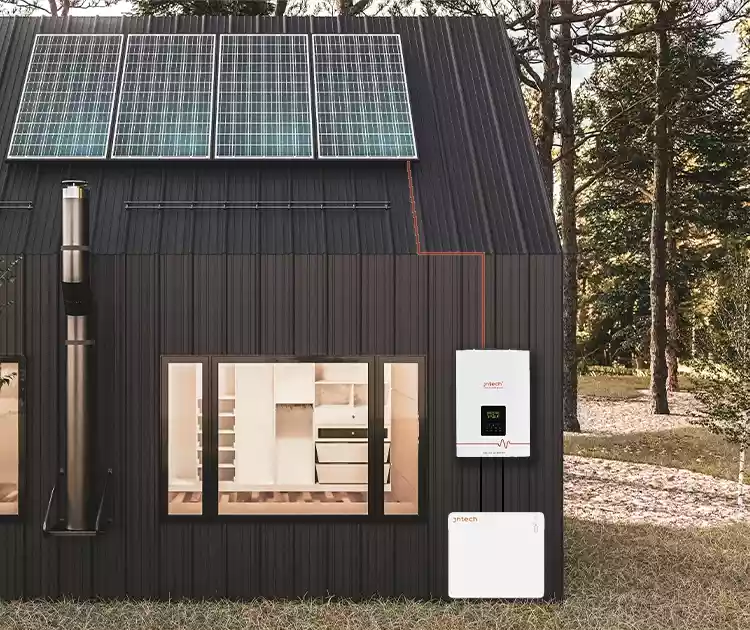
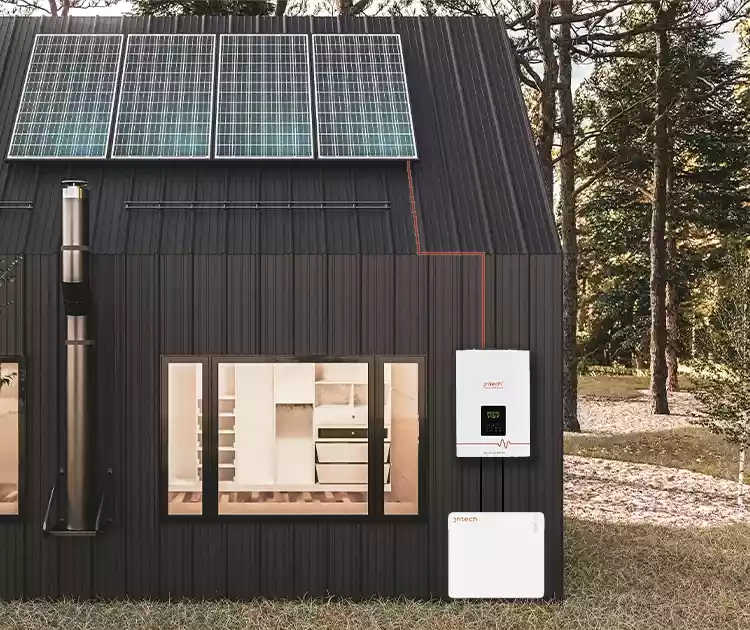
A microgrid is a local energy system that can operate independently or be connected to the larger power grid. In remote towns, its resilience is reflected in “energy independence”—that is, even in the event of external fuel supply interruptions or extreme weather conditions, it can still maintain the uninterrupted operation of critical facilities (such as hospital operating rooms and water pumping stations) by relying on local solar PV and energy storage.
Three Paths to Energy Independence
Path A: Off-Grid Solar PV + Energy Storage Community Microgrid
- Core Advantages: Complete independence from external fuel delivery, achieving zero emissions and extremely low maintenance costs during the operational phase.
- Applicable Scenarios: Remote communities, rural hospitals, or schools with abundant sunshine and extremely difficult fuel transportation.
- Key Technologies and Implementation Points:
- High-Cycle Life Batteries: Prioritize lithium iron phosphate batteries to cope with high-frequency discharge in high-temperature environments. 2. Modular Design: The system should support horizontal scaling in the future to accommodate community population growth.
- Suggested Communication Script: “Please provide the system’s estimated islanded operation time during continuous rainy days, and the battery’s efficiency degradation curve over 10 years.”
- Main Risks and Mitigation: High initial investment. It is recommended to combine government subsidies or NGO special funds for initial coverage.
Path B: Hybrid Power Generation (Solar PV + Energy Storage + Diesel Backup)
- Core Advantages: While ensuring 24/7 continuous power supply, energy storage scheduling minimizes diesel consumption, balancing reliability and economic efficiency.
- Applicable Scenarios: Commercial centers, small industrial processing zones, or cloudy areas with extremely high demands for power supply stability.
- Key Technologies and Implementation Points:
- Smart Microgrid EMS: Achieves automated control with solar PV priority, battery assistance, and diesel generator backup.
- Optimized Diesel Generator Operation: Ensures the diesel engine operates within the efficient load range, avoiding carbon buildup caused by low load.
- Suggested Communication Script: Lütfen şunları sağlayın: LCOE (Levelized Cost of Electricity) estimate for this solution, and explain how the system automatically optimizes the switching logic between solar PV and diesel generators.”
- Main Risks and Mitigation: Dependence on the fuel supply chain. A 3-6 month strategic fuel reserve needs to be established.
Path C: Community Sharing/Micro-Leasing (PAYG) + Smart Energy Management
- Core Advantages: Lowers user barriers, achieves financial sustainability through a “pay-as-you-go” model, and improves resource utilization through community energy sharing.
- Applicable Scenarios: Areas with dispersed households, limited resident payment capacity, but urgent needs for basic electricity (lighting, charging, fans).
- Key Technologies and Implementation Points:
- PAYG Billing System: Integrates mobile payment, enabling automatic disconnection for non-payment and instant restoration after recharging.
- Tiered Load Management: Automatically cuts off non-critical loads during power shortages to ensure public lighting.
- Main Risks and Mitigation: Insufficient coverage of operation and maintenance service points. We recommend training local villagers as first-level maintenance personnel to achieve “social resilience.”
Democratic Republic of Congo Project Case Study: Resilience Practices on the Congo River
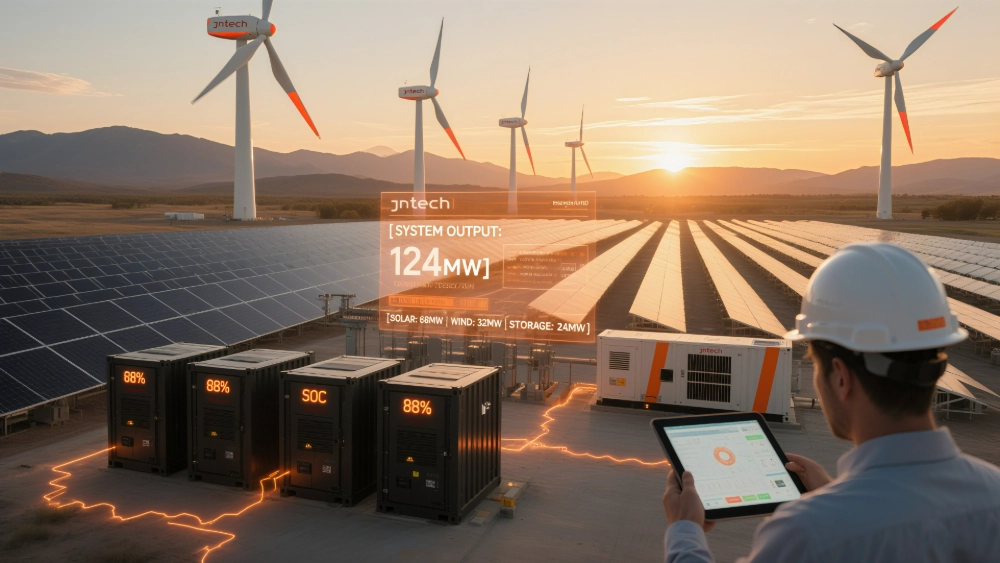
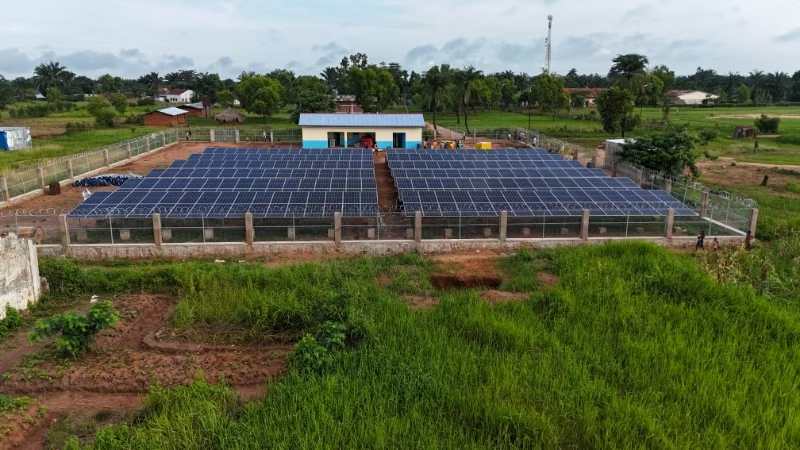
In a remote town in Tanganyika Province, Democratic Republic of Congo, we recently implemented a benchmark off-grid microgrid system.
- System Scale: Photovoltaic installed capacity [800kW], configured with an energy storage system [800kWh].
- Technical Architecture: Utilizes JNTech’s self-developed microgrid EMS energy management system, integrated with advanced remote monitoring.
- Implementation Lessons and Recommendations:
- Environmental Adaptability: For the tropical, rainy environment, it is crucial to strengthen mold and moisture protection for cables and implement lightning protection and grounding for the system.
- Evaluation Metrics: Establish a long-term tracking mechanism, focusing on system availability (target >99%) and the growth in the number of households covered.
Contact us for a detailed white paper on this project or a localized feasibility assessment for your region.
Brief ROI and Measurable Benefits Overview
When evaluating the return on investment (ROI) of microgrids in remote areas, urban commercial formulas should not be directly applied.
- Calculation Approach (Example/Assumption): Compare the “total cost of ownership (TCO estimate) over the system’s lifespan” with the “cost of diesel power generation for the equivalent amount of electricity + economic losses due to power outages.”
- Social Benefit Indicators: Include improved education levels (increased nighttime study time), improved health (availability of medical equipment), and increased income for local small and medium-sized enterprises.
Implementation Challenges and Countermeasures at a Glance
- Funding Gap: Countermeasure: Adopt a blended financing model, securing preferential loans from international multilateral development banks and tax exemptions from the local government.
- Lack of Operation and Maintenance Capabilities: Countermeasure: Deploy a cloud platform with remote diagnostic capabilities and implement a “teach a man to fish” local talent training program.
- Lagging Policy Alignment: Countermeasure: Communicate with the power authority during the project planning phase to reserve technical interfaces for future interconnection with the main grid. —
Sıkça Sorulan Sorular (SSS)
- Q1: Can the microgrid provide normal power supply during prolonged periods of cloudy or rainy weather?
- A: Yes. Through reasonable energy storage scheduling planning (typically maintaining a 2-3 day reserve) and backup energy sources, the system can maintain critical loads even without sunlight.
- Q2: Are the long-term maintenance costs high for remote communities?
- A: Off-grid photovoltaic systems have extremely low maintenance costs. Maintenance mainly involves periodic panel cleaning and battery status checks. JNTech’s remote monitoring reduces unnecessary on-site inspections by 80%.
- Q3: Can the system be expanded in the future?
- A: Microgrids with modular designs are very easy to expand. You can add only battery packs or solar panel mounts in the second phase of the project without replacing the core control equipment.
Çözüm
Energy independence is the first step towards prosperity for remote towns. Whether it’s improving social resilience or achieving carbon reduction goals, mikro şebekeler demonstrate their irreplaceable value. Based on successful global experiences, such as those in the Democratic Republic of Congo, we are committed to providing you with full lifecycle support, from solution design to implementation and operation.
If you are planning such a project, please contact us. Our engineers will provide you with a free preliminary technical solution and feasibility consultation.
TEKLİF ALIN VEYA BİZİMLE ORTAK OLUN
Fiyatlandırma, toplu siparişler veya iş fırsatları için ekibimizle iletişime geçin.